History IELTS Speaking là chủ đề khá trừu tượng được xuất hiện trong bài thi Nói trong vài năm trở lại đây. Đây là một chủ đề được nhiều thí sinh cho là khó vì không biết nên sử dụng từ vựng và ngữ pháp miêu tả như thế nào mới phù hợp. Bài viết dưới đây sẽ giúp bạn chinh phục topic History “đáng gờm” này nhé!
Từ vựng và bài mẫu IELTS Speaking topic History Part 1
Dưới đây một số câu hỏi thường gặp và câu trả lời mẫu trong IELTS Speaking Part 1 chủ đề Travel mà bạn có thể tham khảo
- Do you like to learn about history?
Honestly, I am not particularly interested in history. I find that most historical knowledge goes over my head, and I identify more as an art person.
- What historical event do you find interesting?
This question is rather challenging, as my historical knowledge is somewhat hazy. However, the first event that comes to mind is Vietnamese Independence Day, the most significant milestone in Vietnamese history. It commemorates the day when Vietnam became a sovereign state, free from French colonization.
- Do you think history is important?
Definitely, yes. History is the foundation of any society. It instills a sense of patriotism in citizens and allows us to gain a deeper understanding of our forefathers‘ remarkable accomplishments. When Vietnam was at war with many powerful nations, we know that the Vietnamese army triumphed against all odds.
- Do you think it’s essential for young people to learn about history?
Undoubtedly, learning history is essential for young people. It imparts a sense of identity and cultural awareness, empowering them to value their heritage and comprehend how past events have molded the world they inhabit. Moreover, studying history imparts valuable lessons about human behavior, errors, and accomplishments, fostering critical thinking and empathy.
- Are there any historical monuments or sites you would like to visit? Why?
I am particularly interested in visiting historical sites in my own country, such as the Imperial City of Huế, Mỹ Sơn Sanctuary, and the Old Quarter of Hanoi. These sites offer a glimpse into the rich history and culture of Vietnam, and I hope to visit them one day to learn more about the fascinating stories they have to tell.
Từ vựng
- Be interested in: Thích cái gì
- Go over one’s head: Khó hiểu, dễ trôi tuột qua đầu nhanh như một cơn gió
- Hazy: mù tit, mơ hồ, không nắm rõ
- comes to mind: nghĩ ngay đến gì, điều gì xuất hiện đầu tiên trong tâm trí
- Commemorate: tưởng nhớ
- Milestone: dấu mốc lịch sử
- Colonization: Thuộc địa
- Foundation: nền tảng
- Instill: truyền đạt, thấm nhuần
- Patriotism: chủ nghĩa yêu nước, lòng yêu nước
- gain a deeper understanding of: có được sự hiểu biết sâu hơn về
- Accomplishment: Thành tựu
- Triumph: Chiến thức
- Undoubtedly: Không còn nghi ngờ
- Impart: Truyền đạt, phổ biến
- a sense of identity: Bản sắc
- Heritage: di sản
- historical sites: địa điểm lịch sử
- Offer a glimpse into
Xem thêm: IELTS Speaking Food: Tổng Hợp Từ Vựng Và Mẫu Câu Ghi Điểm
Bài mẫu IELTS Speaking topic History Part 2
Dưới đây là một ví dụ về bài mẫu IELTS Speaking Part 2 chủ đề History. Mời bạn đọc tham khảo.
Describe a historic event in your country
- You should say
- When it happened
- Where it happened
- How do you know about it
- Why do you think it is important
ANSWER
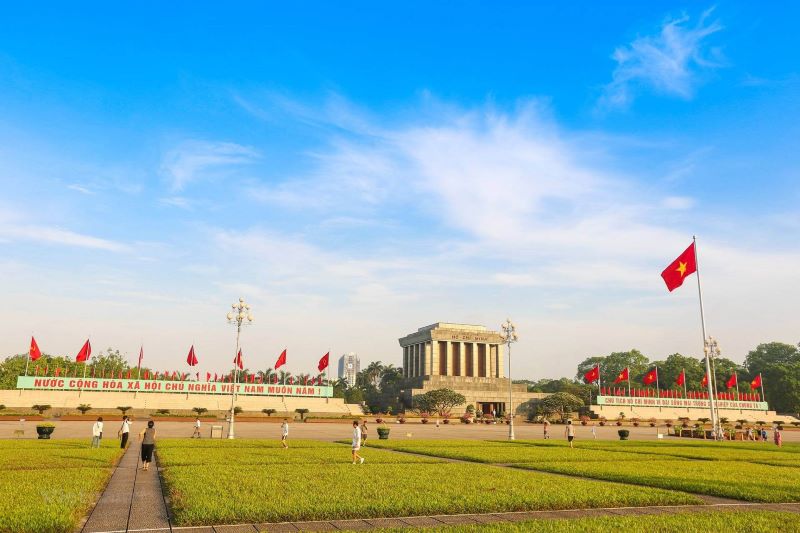
I am going to talk about the day Ho Chi Minh President announced The Proclamation of Independence, which was September 2, 1945. The event was held at Ba Dinh Square, Hanoi, in front of the public.
When I was still a little kid, I heard a lot about it from my teachers, my parents, and all the adults around me. Not only me but every Vietnamese kid, no matter when or where they were born all grow up with the thought of September 2, 1945 as a memorable and important event; so important that the Government made September 2 a national holiday. It is so well-known that actually I have never met anyone who doesn’t know about it, even my classmate who is really bad at history. To be precise, the day forms a part of Vietnamese people’s common knowledge. It was in my high school years when I really got to learn about this day during my History and Literature classes. It became as clear as crystal to me why September 2, 1945 and The Proclamation of Independence was such an important event. The Proclamation was the start of Vietnam’s independent era. I’ve learnt that Vietnam was a colony of several countries such as China, France and Japan, and that our country had to fight a lot to be a separate country, a country for ourselves and finally on that day in 1945, Ho Chi Minh President – who devoted a lot of his life to our independence – announced to not only Vietnam citizens, but also to the whole world that Vietnam was a separate country, that we wouldn’t be controlled by others anymore, that we would have the right to speak our language, live our lifestyle like it used to be. My grandmother who was at Ba Dinh square that time told me that she had felt like a slave who had finally successfully rebelled and was able to live freely. I wasn’t born at that time to directly witness it by myself but just thinking about the time Vietnam suffered under the occupation of other countries and reading the extremely heroic proclamation make me feel very proud. In conclusion, this is, in my opinion, an event that we – as Vietnamese people – are not allowed to forget. We have to know, to remember and to appreciate it because without it, there could be a possibility that we wouldn’t be here, living as proper humans but as slaves of others.
Từ vựng
- The Proclamation of Independence: Tuyên ngôn độc lập
- Memorable: đáng nhớ
- Common knowledge: kiến thức phổ biến, một điều mọi người đều biết.
- As clear as crystal: rõ rang (nhấn mạnh)/ trong vắt, trong veo
- A colony: thuộc địa
- To devote: cống hiến
- To rebel: nổi dậy
- To suffer under something/somebody: chịu đựng khổ cực vì cái gì, vì ai
- To appreciate: Hiểu rõ giá trị, cảm kích, trân trọng
- Proper: thích hợp, thích đáng, phù hợp


Ý tưởng trả lời câu hỏi Part 3
Với Part 3, bạn nên chuẩn bị hoặc vạch sẵn các ý tưởng để nói bởi đây là phần đòi hỏi nâng cao về suy luận logic khi nói. Bạn đọc có thể tham khảo câu hỏi và câu trả lời dưới đây để xây brainstorm ý tưởng cho chủ đề History ở Part 3.
- Do your parents think learning history is important?
Of course, we can learn a great deal from history. Firstly, understanding the past can develop a sense of pride and patriotism and make people feel grateful for what they have at the present. In addition, individuals can learn from mistakes made by previous figures of authority or leaders, and therefore they can avoid disastrous consequences. A good example is many economists are returning to “the great depression period” which occurred 80 years ago to understand the tremendous effects of the financial crisis and look for practical solutions to this problem.
- What are the benefits of museums?
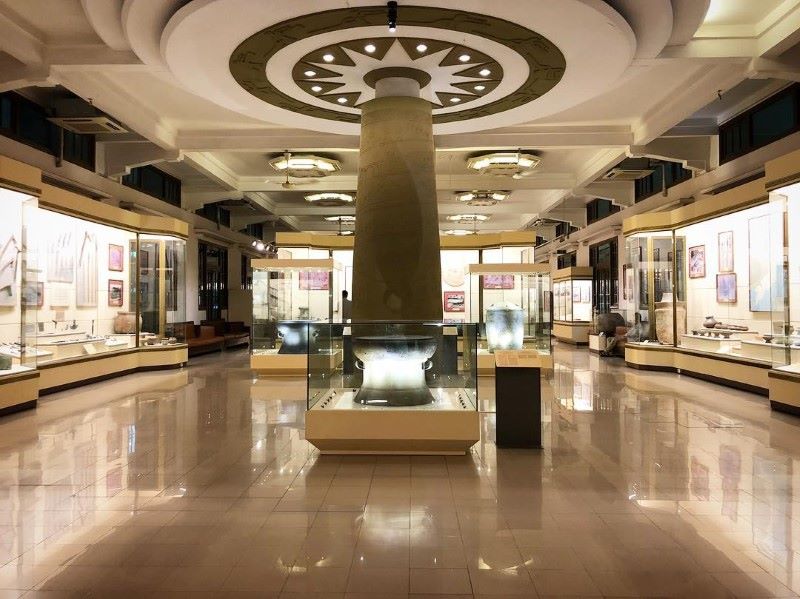
There are numerous benefits that museums bring to our modern life. The first benefit is that they are a great educational resource, which helps expand individuals’ horizons about what occurred in the past. For example, if they go to Museum of Ethnology, they will have the opportunity to gain practical knowledge about fifty ethnic groups in Vietnam and their various traditional customs. Furthermore, museums have a particularly important place where they preserve traditional values and pass them on to the next generation.
- Are museums in your country free of charge?
No, you must purchase entry tickets if you want to enter into museums in my country. A small entrance fee will help museums to cover their costs and stay running. The admission charge varies according to which museums you’re going to visit, but I guess it ranges approximately from 2 to 6 dollars, which is quite reasonable and affordable for everyone.
- Which way is better for learning history?
Through reading books or visiting museums? Honestly, I believe it would be more interesting to visit museums and acquire historical knowledge instead of immersing yourself in history books. The reason behind this is when you see authentic objects displayed in museums, you will have a better grasp of their historical significance rather than merely focusing on theoretical knowledge. Another reason worth mentioning is that many museums, for instance, the Ho Chi Minh museum in Ha Noi, also employ professional tour guides to escort and explain the information clearly to visitors.
Trên đây là bài mẫu và từ vựng xoay quanh chủ đề History IELTS Speaking. Mong rằng thông qua bài viết này bạn đã tích lũy thêm nhiều từ vựng và ý tưởng hay để tự tin xử đẹp chủ đề mang tính trừu tượng này. Chúc bạn học tập và đạt được kết quả tốt!
Xem thêm: